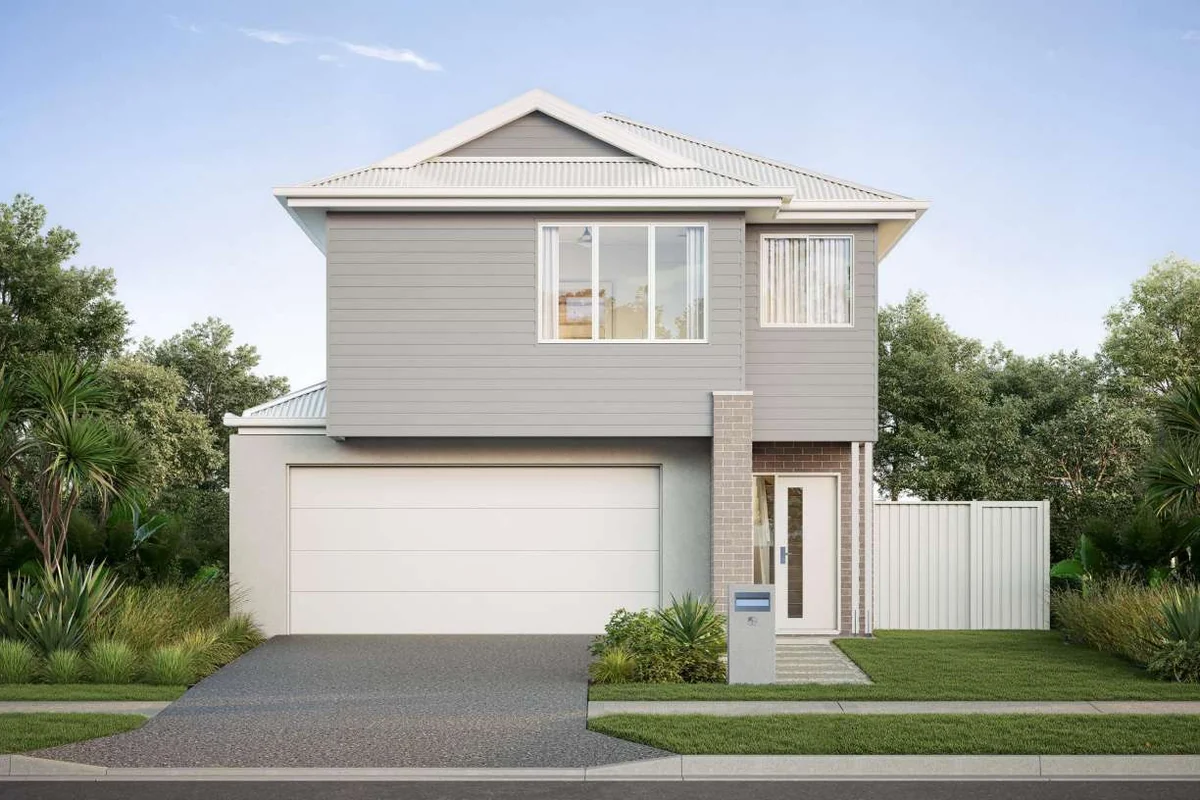
A house and land package can usually be financed as one overall project, even though the land purchase and new-home build are commonly covered by separate contracts. The lender assesses the land, fixed-price building contract, deposit, borrowing capacity and project costs, then releases the construction funds in stages as the build progresses.
That is the short answer. The right loan and the documents needed will depend on how you earn, your credit history, your deposit or equity, the property and the timing of the land title and build.
Revive helps buyers understand both sides of the decision: which home and location may suit them, and how the finance could be structured. You can browse current house and land packages or start with the finance pathways below.
What is a house and land package?
A house and land package brings together a block of land and a home design intended for that block. It is marketed as a combined opportunity, but in many cases you sign:
- a land contract with the developer or landowner; and
- a separate building contract with the builder.
The advertised package price is therefore a starting point for your due diligence, not automatically the final amount you will need to fund. Before committing, check what the price includes, whether the land is titled, the site-cost allowance, developer requirements, variations, landscaping, fencing, utilities, conveyancing and other purchase costs.
Revive’s package pages show the land, build and total brochure figures separately where that information is available. Package pricing and availability can change, so always request a current confirmation before relying on the advertised figures.
Can you finance land and build a house together?
Yes. A lender can consider the land and proposed build together when assessing the total project. How the accounts are set up depends on the lender and timing.
If the land settles before construction begins, the land portion may be advanced first. The construction portion is then drawn progressively once the lender has accepted the final building documents and any pre-construction requirements have been met. If you already own the land, its available equity may form part of the overall finance position.
The important point is to have the full project assessed. A land approval on its own does not guarantee that the future build will be affordable or approved.
How construction loans and progress payments work
A construction loan is designed to fund a new build in stages. Instead of paying the builder the entire contract price on day one, the lender releases progress payments after agreed milestones.
The names and number of stages vary by building contract, but commonly include:
- deposit or preliminary works;
- slab or base;
- frame;
- lock-up;
- fixing or fit-out; and
- completion.
Before each drawdown, the lender may require a builder invoice, evidence that the relevant work is complete and, at some stages, a valuation or inspection. During construction, repayments are commonly calculated on the amount already drawn, not the full undrawn construction limit. Your exact repayment type and timing will be set out in the loan agreement.
Keep a contingency outside the contract where possible. Variations, upgrades, site conditions, valuation differences and costs that are not included in the builder’s price can affect the cash you need.
Which types of house and land finance can Revive help with?
There is no single “house and land loan”. The suitable pathway depends on the borrower as much as the property. Revive can help you explore the following options and understand which lenders may be equipped to assess your circumstances.
Standard or full-document construction finance
This is the usual starting point for employees and borrowers with current, conventional income evidence. The lender assesses payslips or financial statements, liabilities, living expenses, savings or equity, the land contract and the fixed-price building contract.
Self-employed home loans
Business owners, sole traders, contractors and freelancers can finance a new build, but the application needs to explain how the business earns and how that income can be supported. Depending on policy, the lender may consider tax returns, financial statements, BAS, business bank statements and allowable add-backs.
Alt-doc home loans
Alternative-documentation finance may suit an established business owner whose latest tax returns are unavailable or no longer reflect current performance. Accepted evidence can include BAS, business bank statements or an accountant’s letter. Alt-doc still involves an affordability assessment and complete property and credit checks.
Low-doc home loans
Low-doc lending uses a reduced set of accepted income documents. It can be relevant when genuine income is supportable but a full conventional financial package is incomplete or out of date. The terms “low-doc” and “alt-doc” can overlap, so the lender’s actual evidence requirements, pricing and loan-to-value limits matter more than the label.
Asset-based lending
Eligible asset-rich borrowers may be able to explore specialist funding that gives greater weight to property, investments, cash reserves and a credible repayment or exit strategy. This is a specialist pathway rather than a way to avoid proving that the loan can be repaid.
Home loans after credit problems
Past defaults, missed repayments, discharged bankruptcy or a difficult life event do not always end a building plan. Specialist lenders may consider what happened, how recent it was, whether it has been resolved and how stable the applicant’s position is now. Reviewing the credit file before applying can also help avoid unnecessary enquiries.
See all Revive home-finance options for a side-by-side comparison.
What does a lender assess for a house and land package?
Expect the lender to look at both you and the proposed project, including:
- income, expenses, debts and credit history;
- genuine savings, deposit funds or available equity;
- the land contract and settlement date;
- the signed building contract, plans and specifications;
- the builder and construction timeframe;
- the lender’s valuation of the land and proposed completed home;
- site costs, variations and funds needed outside the contract; and
- whether the total loan remains affordable if rates or costs change.
The lender’s valuation may differ from the package price. If the valuation is lower than the total cost, you may need more funds or a different plan. This is one reason to discuss borrowing capacity and likely lender requirements before signing unconditional contracts.
How much deposit do you need?
There is no universal deposit for a house and land package. The amount depends on the total project cost, the lender’s valuation, your loan-to-value ratio, income, credit profile and whether lender’s mortgage insurance or an eligible guarantee applies.
Remember that “deposit” can mean different things in different conversations. A developer may request a land-contract deposit, a builder may request a building-contract deposit, and the lender will calculate your overall contribution to the project. You may also need cash for costs the loan does not cover.
Ask for a funds-to-complete calculation that brings these pieces together. It should show the expected land settlement funds, construction contribution, duties and fees, and a sensible allowance for exclusions or variations.
Should you get pre-approval before choosing a package?
An early borrowing assessment can help set a realistic search range, but a general pre-approval is not the final approval for a specific house and land project. The lender will still need to assess the land, build contract, valuation and supporting documents.
A practical order is:
- review income, deposit, liabilities and credit history;
- establish an indicative project budget;
- compare locations and suitable packages;
- have the land and building contracts reviewed by qualified professionals;
- obtain property-specific finance approval; and
- satisfy the lender’s construction conditions before work begins.
Contract deadlines can be short. Your conveyancer or solicitor can explain contract conditions and legal risk; Revive can help coordinate the finance requirements and timing.
House and land packages near Geelong: Armstrong Creek, Victoria
For buyers searching for house and land packages in Geelong, Revive currently lists opportunities at Banksia Estate in Armstrong Creek, postcode 3217. Armstrong Creek is part of Greater Geelong’s major urban growth area, positioned between Geelong and the Surf Coast.
Start with the Armstrong Creek and Geelong house and land package guide, then review the current brochure-backed options:
- Bristol 13 at Banksia Estate, Armstrong Creek: three bedrooms, two bathrooms and one car space on the listed lot.
- Margate 14 at Banksia Estate, Armstrong Creek: three bedrooms, three bathrooms and one car space on the listed lot.
Armstrong Creek may appeal to buyers comparing a new community with access to central Geelong, Torquay and the wider Surf Coast. Local infrastructure and construction conditions continue to change as the growth area develops, so investigate commute needs, schools, services, future works and the exact estate stage rather than relying on a suburb-wide description.
House and land packages near Ipswich: Ripley, Queensland
For buyers searching for house and land packages in Ipswich, Revive currently lists opportunities at Bellevue in Ripley, postcode 4306. Ripley Valley is a Priority Development Area approximately five kilometres south-east of Ipswich CBD and forms part of South East Queensland’s western growth corridor.
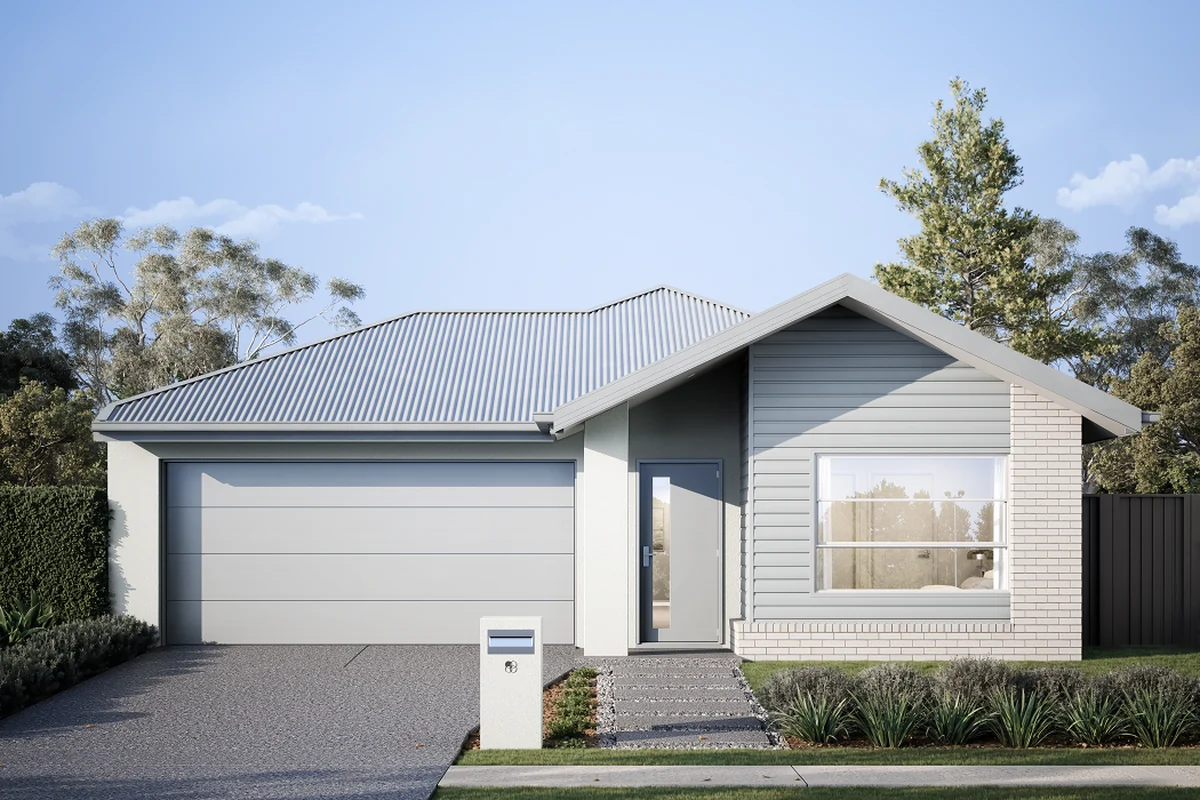
Visit the Ripley and Ipswich house and land package guide and compare the current listed options:
- Alder 178 Coastal at Bellevue, Ripley: four bedrooms, two bathrooms and two car spaces on the listed lot.
- Teak 173 Classic at Bellevue, Ripley: four bedrooms, two bathrooms and two car spaces on the listed lot.
Ripley may suit buyers looking for a new-home corridor close to Ipswich and the Cunningham and Centenary highway network. As with any growth area, look at present-day travel, planned infrastructure, nearby services, estate covenants and construction activity for the particular address.
What should you compare between house and land packages?
The lowest headline price is not always the lowest completed cost. Compare each option on the same basis:
| Check | Why it matters |
|---|---|
| Land registration and settlement timing | It affects when finance is needed and when construction can begin. |
| Fixed-price inclusions and exclusions | Site costs, façades, flooring, cooling, landscaping, fencing and driveways can change the final cost. |
| Completed valuation | The lender funds against its assessed value and policy, not the advertisement alone. |
| Builder payment schedule | It must be acceptable to the lender and align with construction drawdowns. |
| Estate design requirements | Covenants or developer guidelines can affect the home design and cost. |
| Contingency and cash buffer | Variations and non-contract costs can arise before and during the build. |
| Finance expiry dates | Land settlement, loan approval and builder timeframes need to align. |
Frequently asked questions about house and land finance
Do you need one loan or two for a house and land package?
It depends on the lender, contracts and timing. You may have a land loan followed by a construction facility, or a coordinated approval covering both parts. Even when two accounts are used, the lender should assess the affordability of the complete project.
Can a first-home buyer finance a house and land package?
Yes, subject to the usual lending assessment. Depending on the buyer, property and current rules, concessions or government support may also be relevant. Eligibility and scheme availability change, so confirm the current position before making a budget dependent on them.
Can you get a no-deposit house and land package?
Most buyers need a contribution, equity, a guarantor arrangement or eligibility for a recognised support pathway. Advertising that says “no deposit” can have conditions and may not include purchase costs. Ask who supplies the contribution, what security is required and what happens if the valuation is lower than expected.
Do you pay the full mortgage while the house is being built?
Generally, construction interest or repayments are based on funds drawn to date rather than the full undrawn construction limit. The land loan may already be fully drawn. Check whether repayments are interest-only or principal-and-interest during construction and when the loan converts after completion.
Can self-employed buyers get house and land finance?
Yes. Depending on the lender, income may be verified with complete financial statements or accepted alternatives such as BAS, business bank statements or an accountant’s letter. See Revive’s self-employed home-loan guide for the documents and pathways to consider.
Can you change the design after finance approval?
Variations can affect the contract price, valuation, loan amount and cash contribution. Tell the lender or broker before agreeing to material changes so the finance position can be checked.
What happens if the land title or build is delayed?
Loan approvals, valuations, rates and builder pricing can expire. A delay may require updated documents or reassessment. Keep the broker, conveyancer, developer and builder informed so deadlines are monitored and extensions are requested where appropriate.
Can Revive help if the package shown is no longer available?
Yes. Package listings are a starting point. Revive can confirm what is current, discuss other opportunities and reassess the finance budget before you commit to a replacement lot or design.
Take the next step
If you have a package in mind, gather the brochure, land details, building inclusions and any deadlines. If you are still searching, start with your approximate deposit or equity, income documents and preferred location.
Talk with Revive about your house and land finance or compare current house and land opportunities. The information above is general and does not replace financial, legal, tax or building advice. Lending criteria, rates, government programs, package prices and availability can change.